When it comes to home automation, one of the most common mistakes people make is buying too many devices at once. Therefore, they end up with a confusing mess of apps, half-working routines, and gadgets that don’t talk to each other. Instead, build gradually — starting with the devices that deliver the biggest, most immediate payoff.
Step 1 — Choose Your Ecosystem First
As we covered earlier, choose either Alexa, Google Home, or HomeKit as your primary platform before buying anything else. For most people, Alexa is the safest starting point thanks to its unmatched device compatibility. That said, if you’re a dedicated iPhone user, HomeKit is well worth serious consideration—particularly with the improved Siri in 2026.
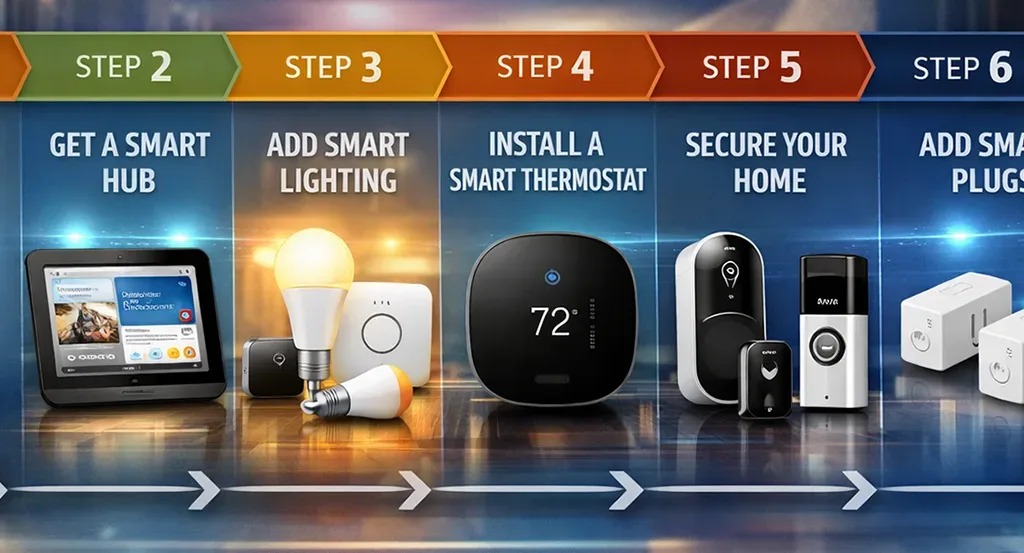
Step 2 — Start with a Hub or Smart Display
Next, get either the Echo Hub ($179.99) for Alexa or the Google Nest Hub Max ($229) for Google. This becomes the command centre for everything that follows. Having one central place to manage your devices from day one makes the whole experience considerably less overwhelming as your setup grows.

Step 3 — Add Smart Lighting
Smart lighting delivers the fastest, most visible payoff of any smart home upgrade. And the impact on a room’s atmosphere is immediately noticeable. Start with a Philips Hue Starter Kit for one room (living room, bedroom, or kitchen), then expand from there. The scheduling features will also start saving energy from day one.
Step 4 — Install a Smart Thermostat
The Ecobee Smart Thermostat Premium pays for itself within approximately 14 months and then continues saving you money indefinitely. Because it delivers such a clear financial return, it makes sense to add it early rather than later.
Step 5 — Secure the Perimeter
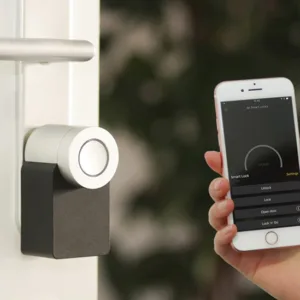
Once your core convenience devices are in place, it’s time to add security. Consider an outdoor camera (Arlo Pro 5S), a video doorbell (Ring Pro 2), and a smart lock (Yale Assure Lock 2). Together, these devices give you complete visibility and control over who enters your home. More importantly, you have this control from anywhere in the world, at any time.
Step 6 — Fill the Gaps with Smart Plugs
Finally, scatter a few Kasa smart plugs around the house to bring older appliances into your smart home ecosystem. Such devices can include lamps, fans, and other legacy devices. At under $10 each, they’re the most cost-effective way to extend your setup and eliminate phantom energy drain across the home. This is a satisfying final step to any home automation setup.
Check out our guide on the best smart home devices for 2026 in this article.